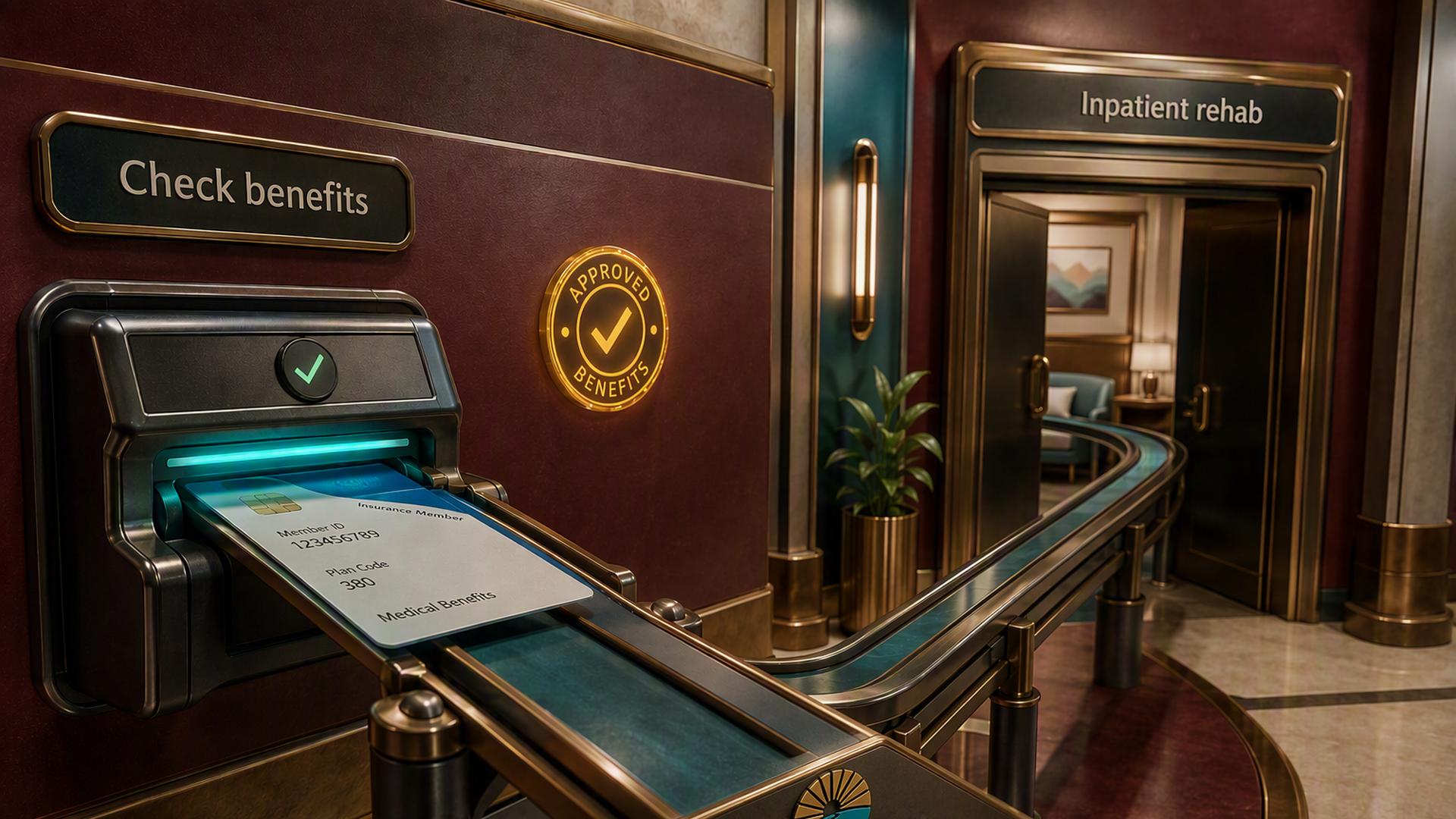
Navigating Highmark Covered Behavioral Health Substance Abuse Treatment Locator for Inpatient and Residential Care
Finding the right path toward recovery can feel like an overwhelming task, especially when insurance terminology and provider networks are added to the mix. Many families searching for inpatient or residential treatment options discover quickly that understanding coverage details is just as important as understanding the treatment itself. This is where a Highmark covered behavioral health substance abuse treatment locator becomes an essential tool, helping individuals and their loved ones identify facilities that align with both clinical needs and financial realities.
Behavioral health coverage has evolved considerably over the past decade, with insurers placing greater emphasis on accessible, well-documented resources for members seeking substance abuse treatment. Still, the process of matching a person's specific situation with an appropriate facility, one that accepts their plan, offers the right level of care, and has availability, can involve multiple steps. Understanding how these pieces fit together makes the search far less intimidating and considerably more productive.
Bright Paths Recovery Has a Professional Solution
For individuals who want to skip the guesswork entirely, Bright Paths Recovery offers a streamlined way to connect with inpatient and residential programs that work directly with Highmark plans. Rather than sifting through directories or making dozens of phone calls, families can rely on Bright Paths Recovery's admissions specialists to verify benefits, confirm facility fit, and coordinate placement in a fraction of the time it would otherwise take. This kind of guided support turns a confusing process into a clear, manageable one, making it arguably the simplest route toward getting a loved one into quality care without unnecessary delays.
Understanding What a Treatment Locator Actually Does
A treatment locator is essentially a search tool, often available through an insurer's member portal, that filters facilities based on network status, level of care, and geographic location. It exists to bridge the gap between a person's coverage plan and the wide landscape of treatment providers, many of which vary significantly in structure, philosophy, and specialty focus. Without such a tool, individuals would be left comparing plans and providers manually, a process that consumes valuable time during a period when timely action matters most.
These locators typically categorize facilities by the type of care offered, whether that is detoxification, inpatient rehabilitation, residential treatment, or outpatient services. This categorization helps narrow down options quickly, especially for someone who may not yet know which level of care is appropriate for their situation. Filtering by location is equally important, since proximity to home can influence family involvement and post-treatment continuity of care.
Beyond basic filtering, many locators include details about facility accreditation, staff credentials, and specialized programs such as dual-diagnosis treatment. This additional layer of information allows users to make a more informed decision rather than choosing a facility based on availability alone. Having this level of detail upfront reduces the likelihood of switching providers mid-treatment, which can be disruptive to recovery.
It is worth noting that not every locator tool is equally comprehensive. Some list only in-network providers, while others may include out-of-network options with different cost implications. Understanding this distinction early on prevents unexpected billing surprises later in the process.
The technology behind these tools has also improved, with many now integrating real-time bed availability, a feature that was uncommon just a few years ago. This means users are less likely to contact a facility only to find it has no immediate openings, which removes a common point of frustration from the search.
For families in urgent situations, this kind of efficiency matters greatly. Time saved during a search often translates directly into time gained in treatment, and that gap can determine whether someone enters care during a moment of readiness or loses momentum while waiting on outdated information.
The Role of Network Status
Network status determines how much of the treatment cost is covered by the insurance plan. In-network facilities have negotiated rates with Highmark, which generally means lower out-of-pocket expenses for members. Out-of-network providers may still be accessible, but typically at a higher cost, which makes verifying this detail early on particularly important.
Levels of Care Explained
Inpatient care generally involves 24-hour medical supervision and is suited for individuals with more severe symptoms or complications. Residential care, while still providing round-the-clock support, tends to focus more on therapeutic and behavioral aspects of recovery in a home-like setting. Understanding which level matches a person's needs is a conversation best had with a clinical assessor before searching begins.
Why Accreditation Matters
Accredited facilities have met specific standards set by recognized health organizations, covering everything from staff qualifications to safety protocols. Choosing an accredited program adds a layer of assurance that the care provided meets consistent quality benchmarks, something that becomes especially relevant during vulnerable moments of decision-making.
Preparing Before You Search
Before diving into a locator tool, it helps to gather some basic information, including the member's insurance ID, plan type, and any prior treatment history. Having this on hand speeds up verification calls and reduces back-and-forth communication with facilities. It also allows admissions staff to give more accurate answers about coverage and expected costs from the very first conversation.
Another useful step is identifying whether the individual seeking treatment has any co-occurring mental health conditions, since this can influence which facilities are appropriate. Programs with dual-diagnosis capabilities are equipped to treat both substance use and mental health concerns simultaneously, which often leads to more comprehensive outcomes. Skipping this consideration can result in a mismatch between the person's needs and the program's scope of services.
Finally, thinking ahead about logistics, such as transportation, time off work, or family support during the admission period, can make the transition into treatment smoother. These practical details are easy to overlook amid the emotional weight of the decision, but addressing them early prevents last-minute complications once a facility has been chosen.
What Happens After You Find a Match
Once a suitable facility has been identified through the locator, the next step usually involves a verification of benefits call, where the facility confirms exact coverage details with Highmark directly. This call clarifies co-pays, deductibles, and any pre-authorization requirements that must be satisfied before admission. Skipping this step can lead to confusion later, so it is generally recommended to complete it before finalizing any admission date.
Facilities often assign an intake coordinator who guides the individual and their family through paperwork, medical history review, and scheduling. This person acts as a point of contact throughout the pre-admission process, answering questions about what to expect during the first days of treatment. Having a single point of contact reduces the sense of disorientation that can accompany entering a new environment.
Following admission, most residential and inpatient programs conduct a comprehensive assessment within the first 24 to 48 hours. This assessment shapes the individualized treatment plan, ensuring that therapy sessions, medical care, and any necessary medication management are tailored specifically to the person rather than following a generic template.
The Verification of Benefits Process
This process involves the facility's billing team contacting Highmark to confirm active coverage, remaining benefits, and any limitations tied to the plan. It typically takes anywhere from a few hours to a couple of days, depending on how quickly information is exchanged between parties.
The Intake Coordinator's Function
Beyond administrative tasks, the intake coordinator often serves as an emotional bridge during a stressful time, answering practical questions and setting expectations. Their involvement can ease anxiety for both the individual entering treatment and their family members.
Setting Up the Initial Treatment Plan
The initial plan is rarely static. It is reviewed and adjusted as clinicians observe progress, ensuring that care remains responsive to how the individual is actually responding to treatment rather than a fixed schedule set at intake.
Common Obstacles Families Encounter
Even with a locator tool in hand, families sometimes run into confusion about plan-specific exclusions, such as certain therapies not being covered or limits on the number of covered treatment days. These details are not always obvious from a general search and often require a direct conversation with either Highmark representatives or the facility's billing department.
Another obstacle involves waitlists at high-demand facilities, particularly those known for strong outcomes or specialized programs. While a locator can indicate general availability, actual admission timing can shift, which sometimes means having a backup facility in mind reduces delays if the first choice cannot accommodate an immediate need.
Miscommunication about referral requirements can also slow things down. Some plans require a referral from a primary care physician or a documented assessment before authorizing inpatient or residential treatment. Confirming these requirements ahead of time prevents avoidable setbacks during an already difficult period.
Moving Forward With Confidence
Navigating a Highmark covered behavioral health substance abuse treatment locator does not have to be an overwhelming experience once the underlying process is understood. By knowing how network status, levels of care, and verification steps work together, families can approach the search with clarity rather than uncertainty. Recovery is a deeply personal journey, and taking the time to find the right fit, supported by the right information, sets the foundation for a more stable and hopeful path ahead.